Transforming Macadamia Farming
Transforming Macadamia Farming
Embrace Regenerative farming practices and unlock the full potential of your macadamias.
Embrace Regenerative farming practices and unlock the full potential of your macadamias.
RegenMacFarms is an initiative to help macadamia farmers shift from conventional practices to regenerative agriculture, promoting long-term sustainability and resilience. By prioritising soil health, biodiversity, and water retention, RegenMacFarms equips farmers with the tools they need to cultivate thriving farms while preserving resources for the future. This platform recognises the unique needs of each farm, offering customised strategies that make the transition to regenerative farming both achievable and effective.
A key feature of RegenMacFarms is its collection of real-world case studies, which showcase the experiences of macadamia farmers who have successfully embraced regenerative methods. These stories highlight practical outcomes such as improved soil structure, increased ecosystem diversity, and enhanced farm productivity. By learning from peers, farmers can gain insights into the tangible benefits of regenerative practices and find inspiration in the proven successes of others.
RegenMacFarms’ mission reflects a larger movement toward sustainable agriculture, prioritising environmental health and resource renewal. As regenerative practices continue to gain traction, the initiative stands as an example of how focused support and knowledge-sharing can accelerate agricultural transformation. The ultimate goal is a future where farms not only meet current demands but are also resilient enough to support generations to come.
What Is Regenerative Agriculture And Will It Benefit You?
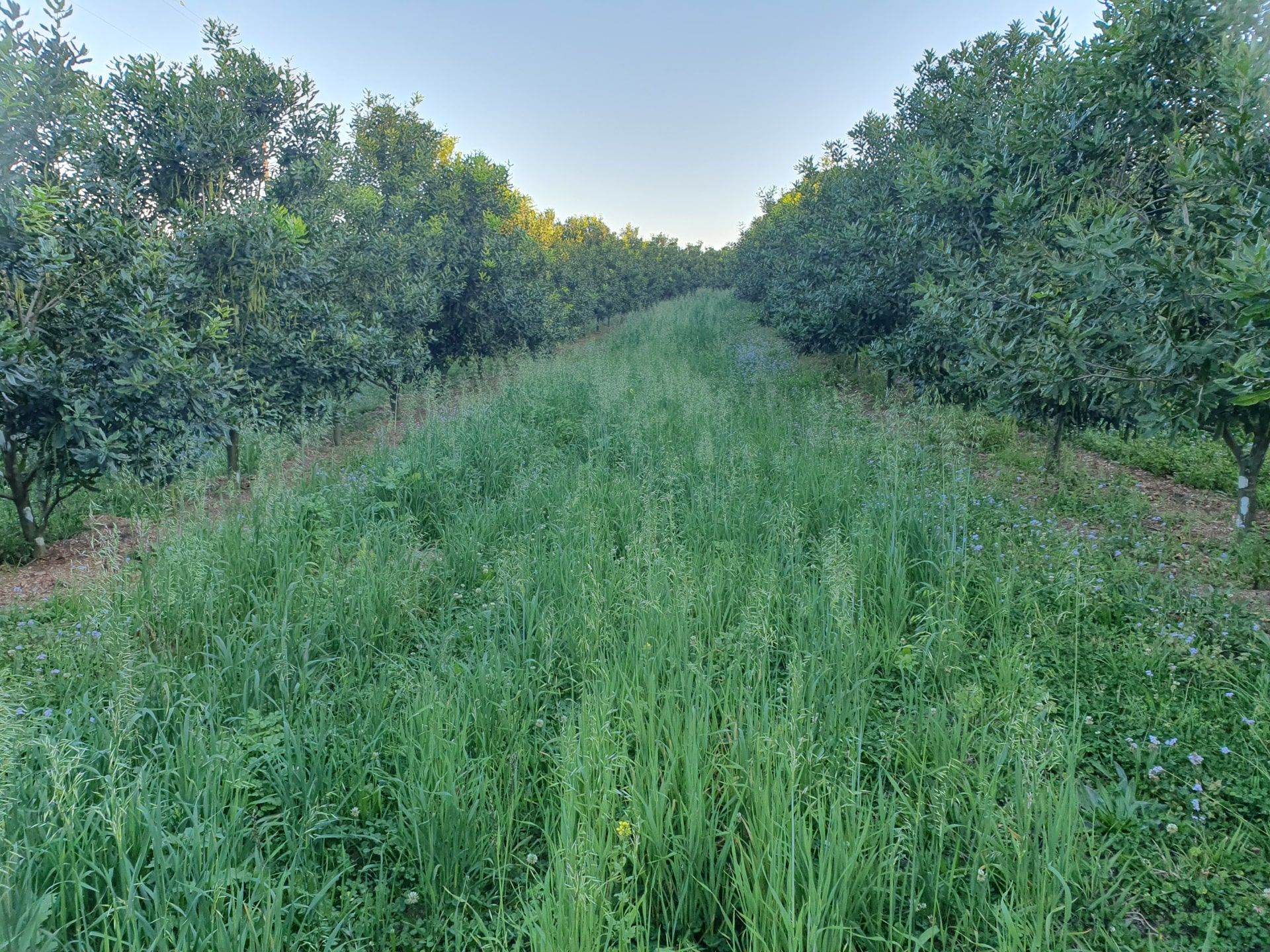
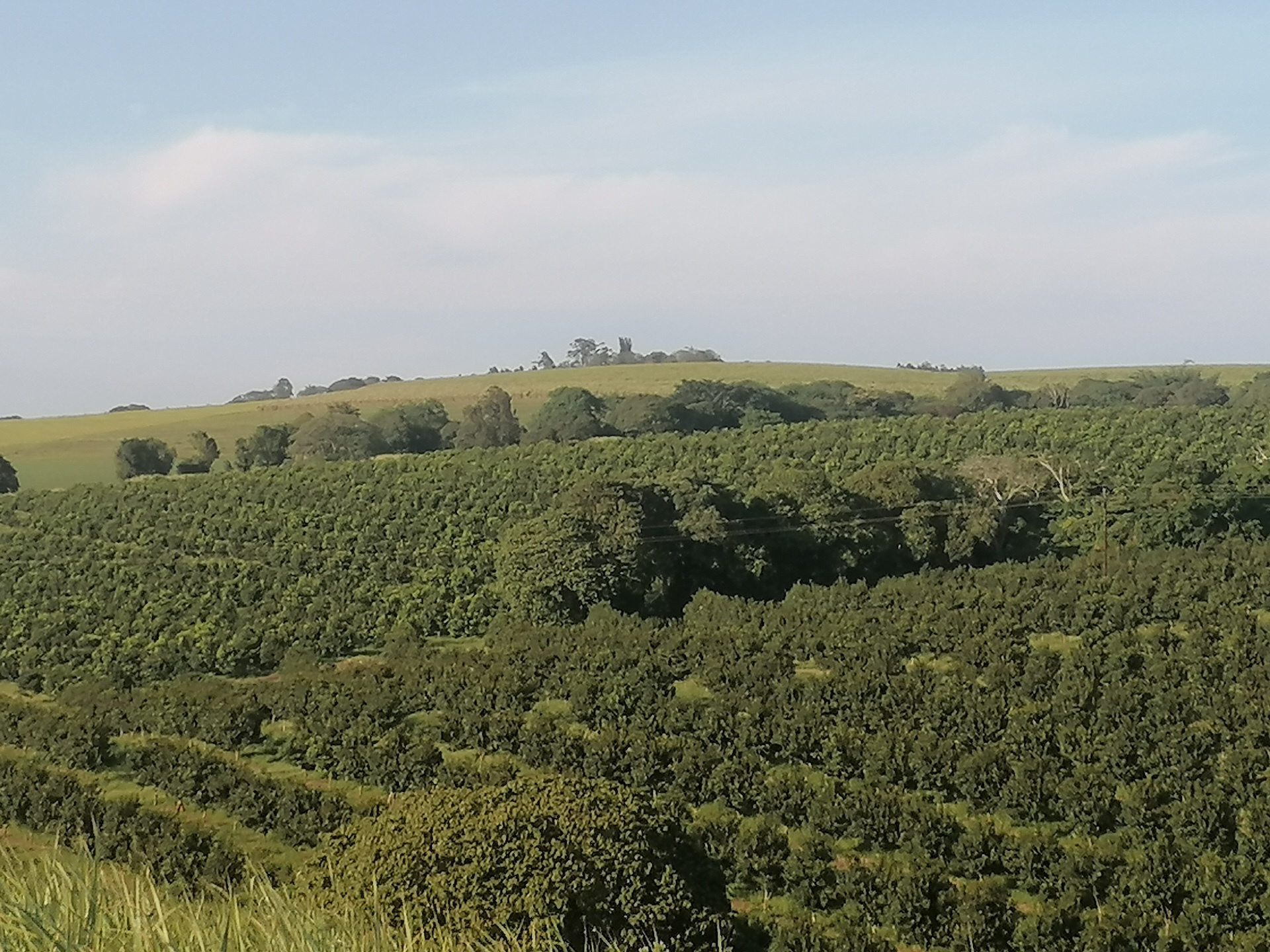
Switching to regenerative agriculture in macadamia orchards offers a sustainable approach that improves soil health, biodiversity, and ecosystem functions. By enhancing organic matter in the soil, regenerative practices support natural nutrient cycling and boost resilience to pests, diseases, and extreme weather conditions. This shift creates a healthier, more self-sustaining orchard environment that can better handle the pressures of a changing climate, ultimately benefiting both the grower and the surrounding ecosystem.
Incorporating regenerative methods also reduces the reliance on synthetic inputs, which can be costly and environmentally damaging. With natural nutrient cycling, the need for fertilisers and pesticides decreases, leading to lower input costs and healthier crops. The soil, enriched with organic matter, becomes a thriving medium that supports plant growth and health without the heavy chemical load. This shift not only saves money but also promotes a cleaner, safer environment within and around the orchard.
Increased biodiversity is another key benefit, fostering a more balanced ecosystem where pollination, nutrient availability, and natural pest control processes flourish. Diverse plant and animal species within the orchard support each other, reducing the need for external interventions. By capturing carbon, conserving water, and building long-term soil fertility, regenerative agriculture creates a sustainable system that improves productivity and strengthens environmental health, making it an ideal choice for long-term success in macadamia farming.
Minimise Soil Disturbance
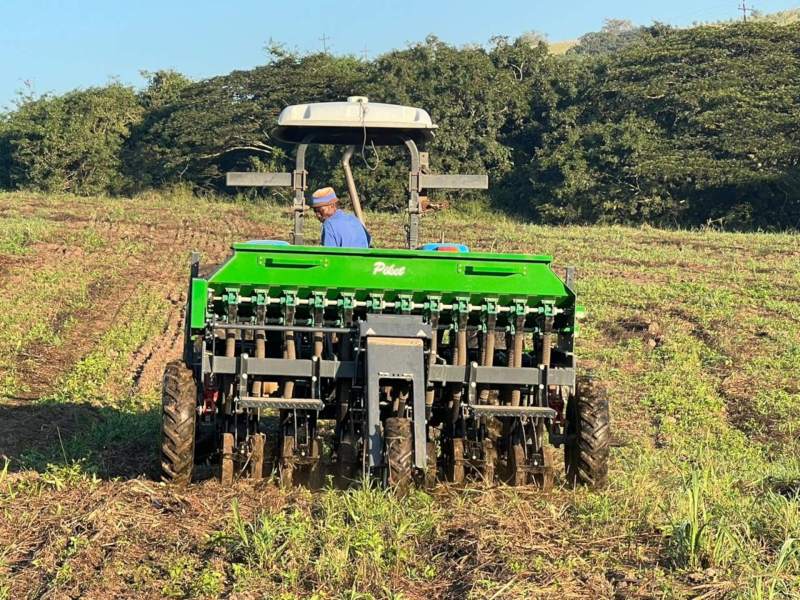
imit tilling and synthetic inputs, which disrupt soil structure and microorganisms. This helps retain moisture and nutrients.
Maximise Biodiversity
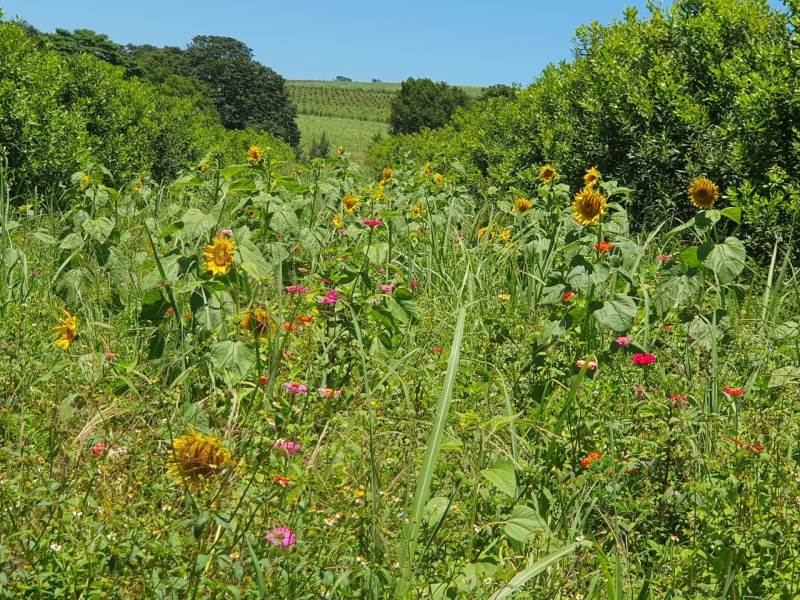
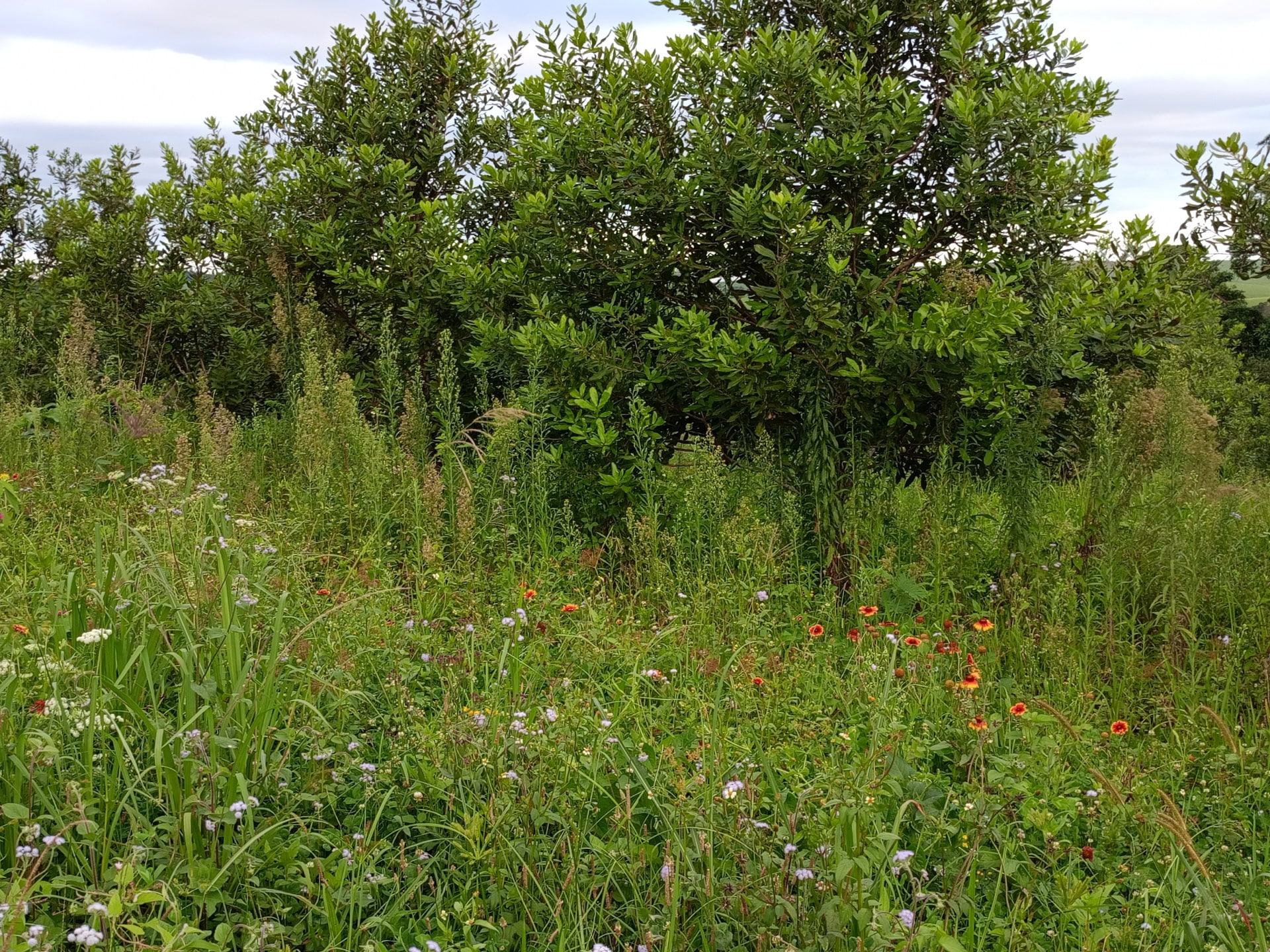
Use multi-species cover crops to improve soil health, recycle nutrients, reduce pests, and boost ecosystem resilience.
Keep Soil Covered
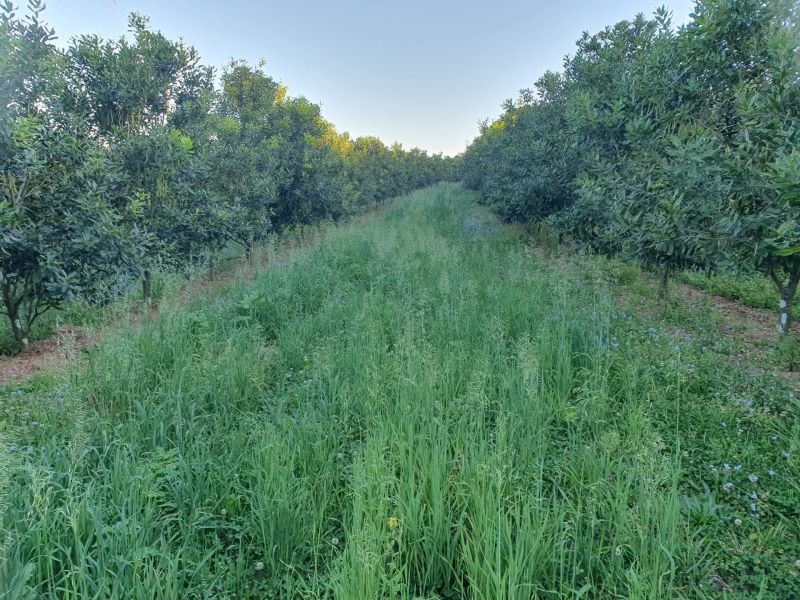
Maintain a constant cover of living plants or mulch to protect soil from erosion, retain moisture, and provide habitat for beneficial organisms.
Living Root Year-Round
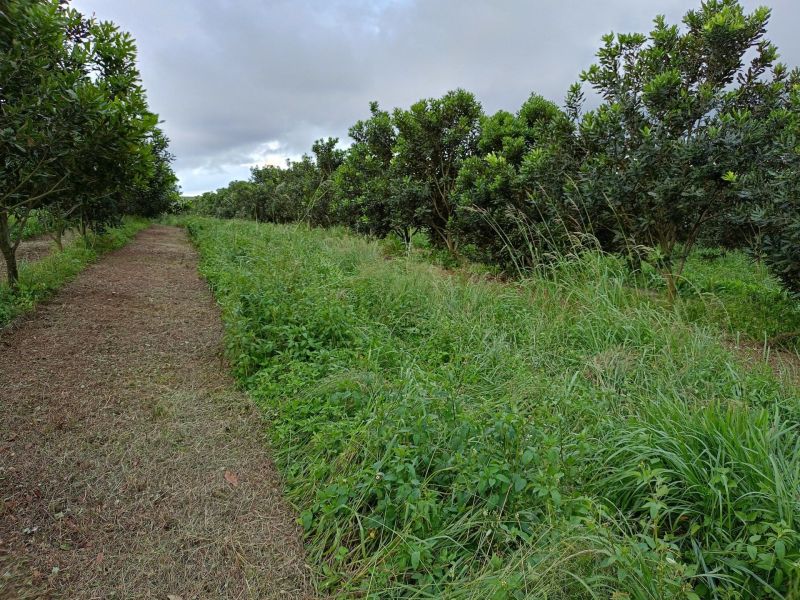
Keeping living roots in the soil year-round is a powerful practice that promotes healthy soil, boosts biodiversity, and supports sustainable farming.
Integrate Livestock
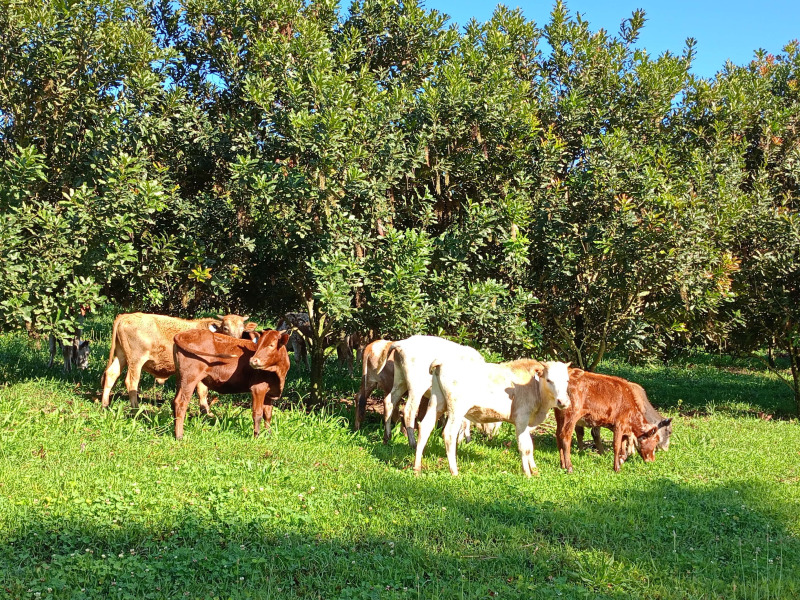
Integrating livestock plays a vital role in enhancing ecosystem resilience and soil health.
Nutrient Recycling
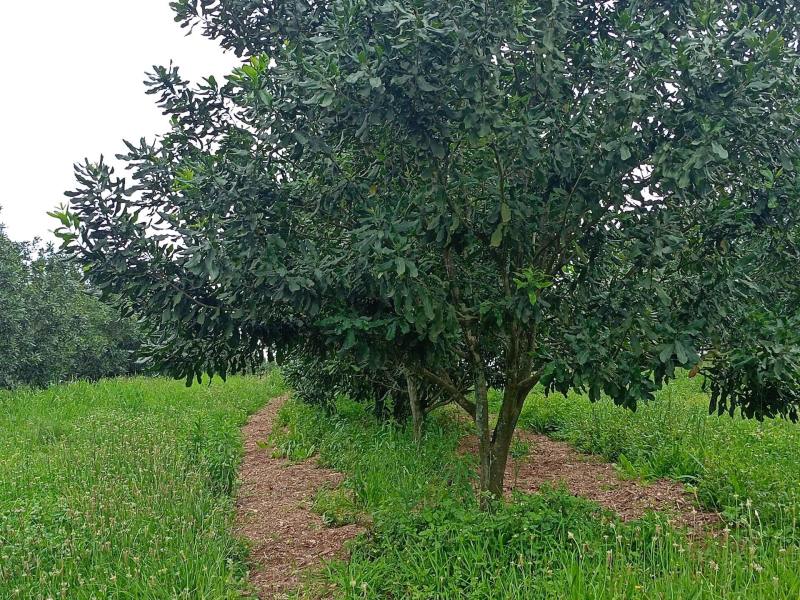
Build natural fertility by recycling organic materials like compost, manure, or plant residues, and reduce reliance on synthetic fertilisers.