Integrate Livestock
Integrating Livestock: A Key to Regenerative Agriculture
In regenerative agriculture, integrating livestock plays a vital role in enhancing ecosystem resilience and soil health. Livestock are not merely animals for meat or milk production but critical components of a thriving agroecological system.
This article explores why livestock integration is essential in regenerative farming and details its benefits and successful practices.
What is Integrating Livestock in Regenerative Agriculture?
Integrating livestock in regenerative agriculture means incorporating grazing animals like cows, sheep, chickens, or pigs into crop-growing systems. These animals are rotated through different parts of the farm, mimicking natural ecosystems to improve soil fertility, promote biodiversity, and enhance land productivity. Instead of separating animals and plants, regenerative practices put them together to form mutually beneficial cycles.
Benefits of Integrating Livestock
1. Enhanced Soil Health
-
Nutrient Cycling: Livestock contribute directly to soil health by recycling nutrients. Their manure acts as a natural fertilizer, enriching the soil with nitrogen, phosphorus, and other essential nutrients. This reduces the need for synthetic fertilizers and helps build fertile soil.
-
Increased Soil Organic Matter: Grazing animals trample plant material into the ground, which adds organic matter and builds humus layers. This results in improved soil structure and water retention capacity.
2. Boosting Biodiversity
-
Diverse Plant Life: Grazing encourages plant regrowth and helps maintain a mix of different plant species. Livestock selectively graze on certain plants, allowing others to thrive, leading to a more diverse pasture.
-
Insect and Microbial Life: The presence of manure creates habitats for various insects and microorganisms, which enriches the farm's ecosystem, supporting pollination and soil biological activity.
3. Carbon Sequestration
-
By increasing organic matter and fostering healthy root systems, integrating livestock aids in carbon sequestration. As livestock graze, the plant roots grow deeper, storing more carbon in the soil and contributing to mitigating climate change.
4. Weed and Pest Management
-
Livestock are excellent at managing weeds and pests. For instance, sheep can be used to control invasive weeds, and chickens in an orchard help reduce insect pests, decreasing the reliance on chemical pesticides.
5. Improved Water Cycle
-
Better Water Infiltration: By enhancing soil structure with organic matter, integrated grazing improves water infiltration and retention, which is crucial during dry periods. This leads to greater drought resilience for the entire farm ecosystem.
Examples of Successful Practices
1. Adaptive Multi-Paddock (AMP) Grazing
-
In this practice, livestock are moved frequently between paddocks, giving each area time to recover before being grazed again. This method reduces overgrazing, encourages diverse plant growth, and prevents soil compaction. AMP grazing has been shown to improve both productivity and soil health significantly.
2. Silvopasture
-
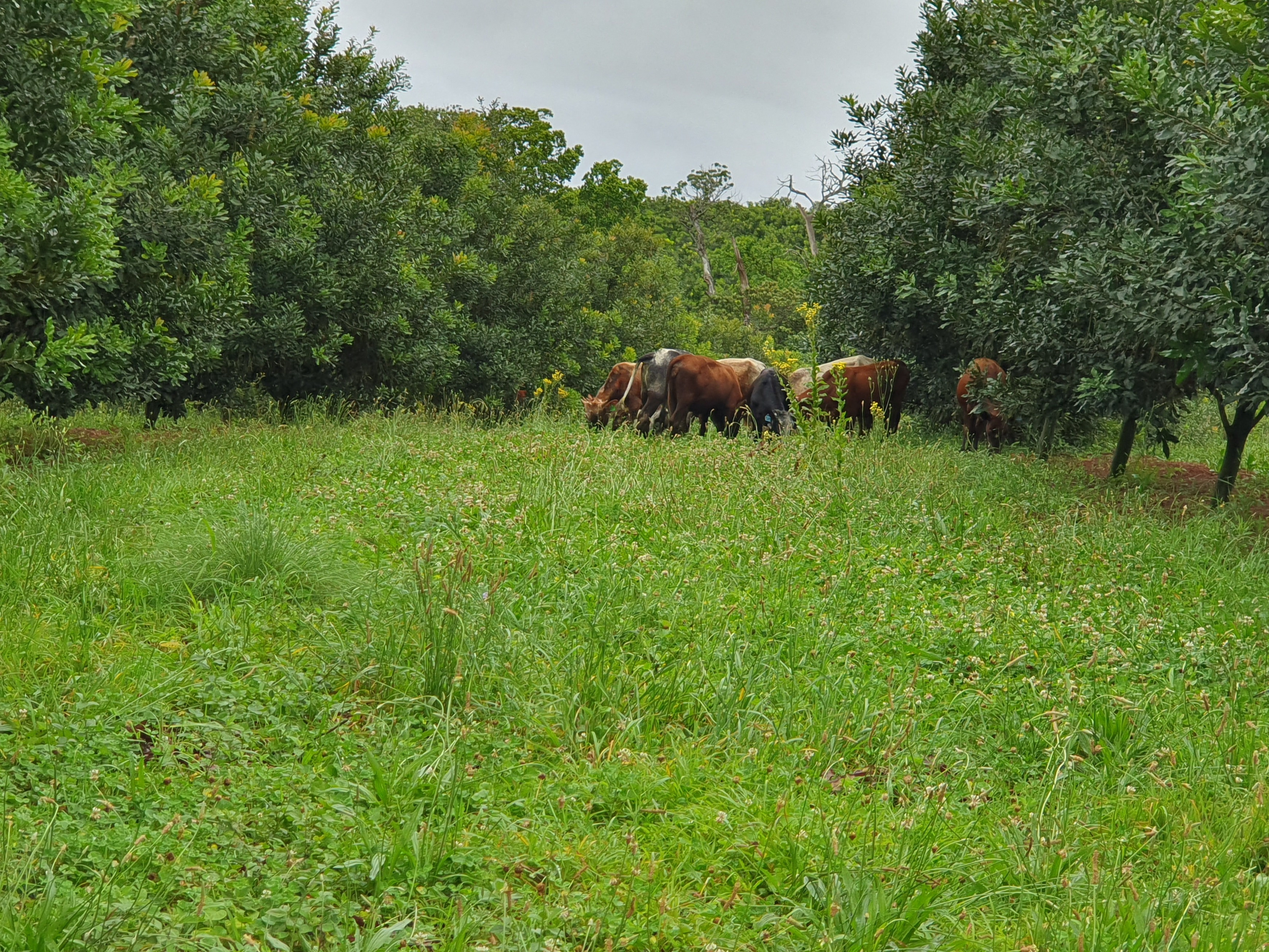
Combining Trees and Livestock: Silvopasture integrates livestock with trees and shrubs. This approach provides animals with shade and varied diets while enhancing carbon sequestration and reducing heat stress on livestock. This practice has been highly successful in regions like Brazil, where integrating cattle and timber has increased the resilience of farming systems.
3. Pasture Cropping
-
This method involves growing crops directly in perennial pasture, allowing for both grazing and crop production. Livestock graze during fallow periods, adding manure to the soil and preventing weed growth, which helps reduce input costs and sustainably boost yields.
Challenges and Considerations
While integrating livestock has numerous benefits, it requires careful planning. Overstocking can lead to overgrazing and soil degradation. Successful integration depends on:
-
Stocking Density Control: Managing the number of animals per acre to avoid soil compaction.
-
Rotation Timing: Moving animals in and out of paddocks to mimic natural grazing patterns and ensure plant regrowth.
Conclusion
Integrating livestock into regenerative agriculture is a powerful approach that fosters a healthier ecosystem, increases biodiversity, and contributes to climate resilience.
By incorporating livestock in a balanced and sustainable manner, farmers can create a synergistic relationship between animals and crops that not only boosts productivity but also restores the natural health of the land.
Integrating Livestock: An Essential Part of Regenerative Agriculture
In regenerative agriculture, livestock are more than just sources of meat or milk; they play an essential role in boosting soil health and making the entire farming system more resilient.
By including animals like cows, sheep, and chickens in crop-growing areas, farms can benefit in multiple ways.
This article explains why integrating livestock is crucial in regenerative agriculture and covers its benefits and successful methods.
What Does Integrating Livestock Mean in Regenerative Agriculture?
Integrating livestock involves using grazing animals like cows, sheep, chickens, or pigs in crop-growing systems.
These animals are moved around different sections of the farm in a way that mimics natural ecosystems. This approach increases soil nutrients, promotes a variety of plants and animals, and improves land productivity.
Unlike traditional farming, which often separates animals and crops, regenerative farming combines them to create a balanced, sustainable system.
Benefits of Integrating Livestock
- Improved Soil Health
- Nutrient Recycling: Animals provide natural fertiliser through their manure, which adds essential nutrients like nitrogen and phosphorus to the soil, reducing the need for synthetic fertilisers.
- Increased Organic Matter: Grazing animals help add plant material to the ground, increasing the soil’s organic content, which improves its structure and water retention.
- Boosts Biodiversity
- Variety of Plant Species: Grazing promotes plant regrowth and helps maintain a diverse range of plants. Animals often graze on specific plants, allowing others to flourish.
- More Insects and Microorganisms: Manure creates habitats for insects and microorganisms, enhancing the ecosystem and supporting pollination and soil health.
- Carbon Storage
- Integrating livestock can help capture carbon by increasing soil organic matter. As animals graze, plant roots grow deeper, storing more carbon and helping reduce greenhouse gases.
- Weed and Pest Control
- Livestock can naturally control weeds and pests. For example, sheep can help manage invasive weeds, and chickens in orchards can reduce insect pests, cutting down on the need for pesticides.
- Better Water Cycle
- Integrating animals improves soil structure, which allows water to soak in better and stay in the ground longer, especially helpful during dry seasons.
Examples of Successful Practices
- Adaptive Multi-Paddock (AMP) Grazing
- In this system, livestock are moved frequently between small paddocks, giving each area time to recover. This prevents overgrazing, encourages plant diversity, and protects soil health.
- Silvopasture
- This method combines trees and livestock, providing animals with shade and a more diverse diet. It also helps capture more carbon and reduces heat stress for the animals.
- Pasture Cropping
- Pasture cropping grows crops directly in grazing areas. Livestock graze between crop cycles, adding manure to the soil and controlling weeds, which lowers input costs and improves yield.
Challenges and Considerations
Integrating livestock has many benefits, but it requires careful planning to avoid problems like overgrazing, which can harm the soil. Key considerations include:
- Stocking Density Control: Limiting the number of animals per area to prevent soil compaction.
- Rotation Timing: Moving animals at the right time to allow plants to regrow.
Conclusion
Integrating livestock is a powerful tool in regenerative agriculture, fostering a healthier environment, increasing biodiversity, and making farms more resilient.
By balancing animals and crops, farmers can create a sustainable system that boosts productivity and restores soil health.