Keep Soil Covered
Keep the Soil Covered: A Key Principle in Regenerative Agriculture
In regenerative agriculture, keeping the soil covered is a crucial step to improving and maintaining soil health.
This approach involves covering the soil with living plants or organic material to protect it from erosion, help retain moisture, and support a healthy ecosystem beneath the surface. In this article, we’ll discuss why soil cover is important, the benefits it provides, and effective practices used by regenerative farmers worldwide.
What Does “Keep the Soil Covered” Mean?
“Keep the Soil Covered” means keeping a protective layer on the soil using cover crops, plant residues, or mulch. This layer shields the soil from direct exposure to elements like wind and rain, helping to prevent erosion, nutrient loss, and soil compaction.
In regenerative agriculture, maintaining soil cover is essential to boost biodiversity, prevent soil damage, and support healthier soil systems.
Why Keeping Soil Covered Matters in Regenerative Agriculture
Soil health is the foundation of sustainable farming. By keeping the soil covered, we can improve the resilience and productivity of farmland.
Here’s why it matters:
- Erosion Control: Ground cover acts like a protective barrier, stopping soil from being washed or blown away by rain and wind.
- Improved Moisture Retention: Soil cover prevents water from evaporating quickly, helping to retain moisture for crops.
- Enhanced Soil Microbial Activity: A covered soil surface allows beneficial microbes to thrive, leading to better nutrient cycling and plant health.
- Weed Suppression: Cover crops and mulches block sunlight, slowing down weed growth and reducing the need for herbicides.
- Temperature Regulation: Soil cover stabilises soil temperatures, preventing extreme changes that can harm roots and microbes.
Benefits of Keeping the Soil Covered
- Prevention of Soil Erosion
- Wind and Water Erosion Control: Cover crops and plant residues shield the soil from being carried away by wind or rain, reducing soil loss, especially in windy or hilly areas.
- Stable Topsoil: Soil cover holds topsoil in place, preserving the most fertile layer for crops.
- Improved Water Management
- Reduced Evaporation: Soil cover minimises evaporation, keeping moisture in the ground for crop use.
- Better Water Infiltration: Cover prevents the soil from hardening, allowing water to seep in and reducing runoff.
- Soil Microbial Health and Organic Matter
- Enhanced Microbial Activity: Covered soils support beneficial microbes that break down organic matter, recycle nutrients, and build soil structure.
- Increased Organic Matter: Decomposing cover crops add organic matter to the soil, improving health and long-term fertility.
- Weed Suppression and Less Chemical Use
- Natural Weed Control: Cover crops, like rye and clover, compete with weeds, reducing the need for herbicides.
- Less Herbicide Dependency: With fewer weeds, farmers can use fewer chemicals, creating a healthier ecosystem.
- Soil Temperature Regulation
- Temperature Buffering: Soil cover acts as insulation, keeping the soil cooler in hot weather and warmer in cold weather. This helps root growth and soil life.
Effective Practices for Keeping the Soil Covered
- Cover Cropping
- Cover crops are planted not for harvest but to protect and enrich the soil. Common cover crops include:
- Legumes (like clover and vetch): These add nitrogen to the soil, improving its fertility while also covering it.
- Grasses (like rye and oats): These add biomass, help soil structure, and suppress weeds.
- Cover crops are planted not for harvest but to protect and enrich the soil. Common cover crops include:
- Mulching
- Mulching involves covering soil with organic material, like straw, leaves, or compost, which:
- Conserves Moisture: Mulch reduces evaporation, keeping water available for plant roots.
- Improves Fertility: As mulch breaks down, it adds nutrients to the soil.
- Mulching involves covering soil with organic material, like straw, leaves, or compost, which:
- Living Mulches
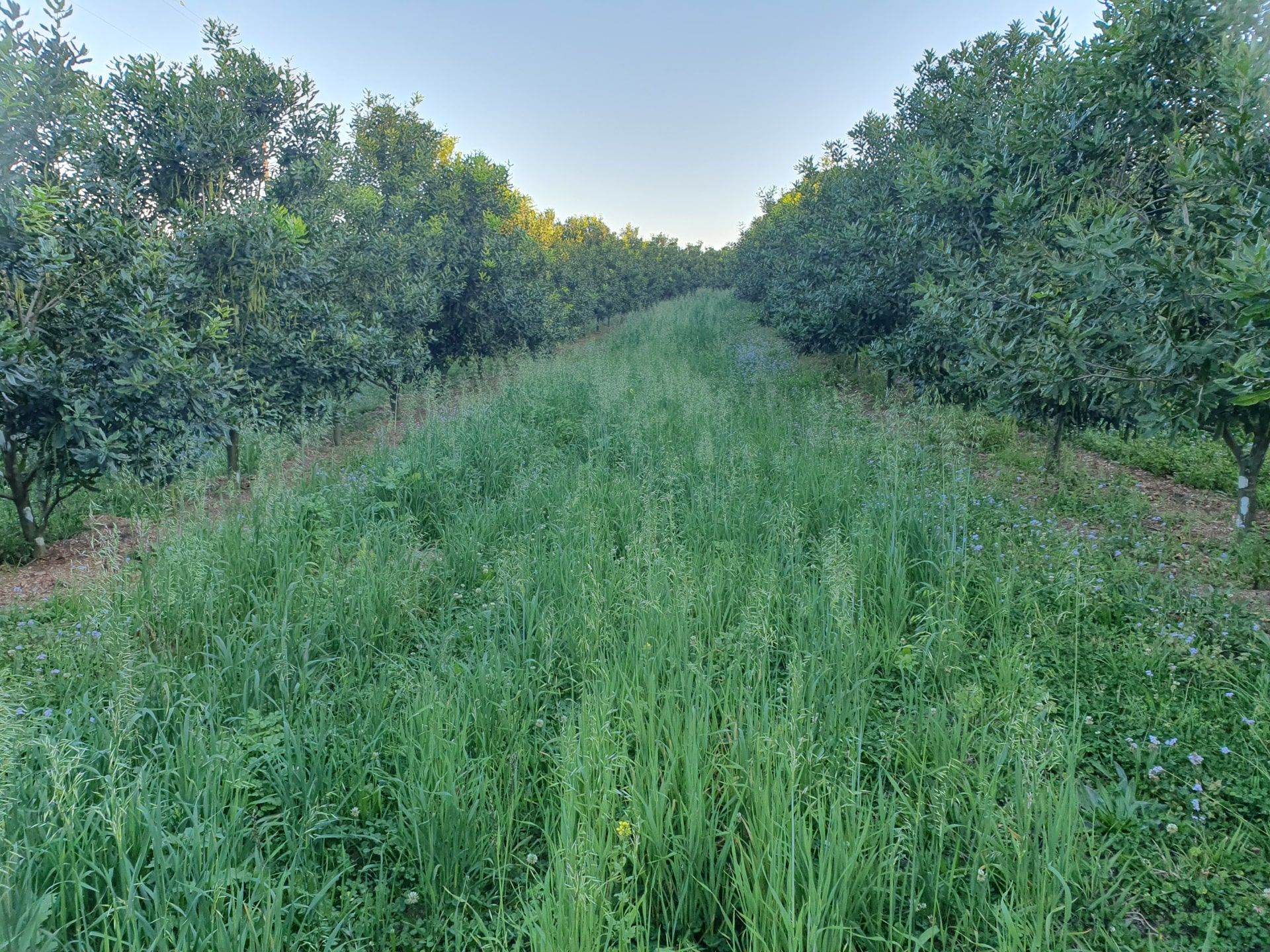
- Living mulches are low-growing plants between crop rows that provide ground cover.
- Suppress Weeds and Conserve Moisture: Living mulches prevent weed growth and contribute organic matter as they grow.
- Living mulches are low-growing plants between crop rows that provide ground cover.
- Residue Management
- After harvesting, crop residues like corn stalks or wheat straw are left on the field to protect soil from erosion and add organic matter as they decompose.
Conclusion
Keeping the soil covered is a foundational principle in regenerative agriculture, promoting healthier, more productive, and sustainable farming systems.
By using cover crops, mulch, living plants, and crop residues, farmers can improve soil health, reduce erosion, retain moisture, control weeds, and build a vibrant soil ecosystem.
These benefits support not only productive farms but also a more sustainable way to care for the environment.
Keep the Soil Covered: A Pillar of Regenerative Agriculture
In regenerative agriculture, one of the most crucial principles for maintaining and enhancing soil health is to keep the soil covered. This strategy involves covering the soil with either living plants or organic residues to protect it from erosion, maintain moisture, and nurture a thriving ecosystem beneath the surface. In this article, we will explore the importance of keeping the soil covered, its benefits, and successful practices used by regenerative farmers around the world.
What Does "Keep the Soil Covered" Mean?
"Keep the Soil Covered" is a principle that involves maintaining continuous coverage over the soil using cover crops, crop residues, mulches, or other plant materials. It aims to prevent direct exposure of the soil to the elements, safeguarding it against erosion, nutrient loss, and compaction. In regenerative agriculture, soil cover is essential for promoting biodiversity, preventing degradation, and fostering healthier, more productive soil ecosystems.
The Importance of Keeping the Soil Covered in Regenerative Agriculture
Soil health is the foundation of productive agriculture, and keeping the soil covered offers a range of benefits that enhance the resilience and sustainability of the land. Here's why keeping the soil covered is a vital component of regenerative agriculture:
-
Erosion Control: Ground cover acts as a protective shield that prevents soil from being washed or blown away by rain and wind.
-
Improved Moisture Retention: Soil cover reduces water evaporation, helping to retain moisture and maintain optimal growing conditions for crops.
-
Enhanced Soil Microbial Activity: A diverse and rich microbial population can flourish beneath a covered soil surface, leading to better nutrient cycling and plant health.
-
Weed Suppression: Cover crops and mulches block sunlight from reaching the soil, reducing the growth of weeds and lessening the need for herbicides.
-
Temperature Regulation: Soil cover helps regulate soil temperatures, preventing extreme fluctuations that can negatively impact plant roots and microbial life.
Benefits of Keeping the Soil Covered
1. Prevention of Soil Erosion
-
Wind and Water Erosion Control: Cover crops and crop residues protect soil particles from being carried away by wind or water, which is crucial in reducing soil erosion, especially in windy or sloping terrains.
-
Stable Topsoil: By holding the topsoil in place, soil cover prevents the loss of the most nutrient-rich layer, thereby maintaining a fertile environment for crops.
2. Improved Water Management
-
Reduced Evaporation: Keeping the soil covered minimizes evaporation by shielding the soil from direct sunlight, thus conserving moisture for crop use.
-
Better Water Infiltration: Soil cover prevents crusting and compaction, improving the soil's ability to absorb water and reducing surface runoff.
3. Soil Microbial Health and Organic Matter
-
Enhanced Microbial Activity: Covered soils provide a favourable environment for beneficial microbes that decompose organic matter, recycle nutrients, and build soil structure.
-
Increased Organic Matter: Cover crops add organic matter when they decompose, which improves soil health, increases nutrient availability, and supports long-term soil fertility.
4. Weed Suppression and Reduced Chemical Input
-
Natural Weed Control: Cover crops like rye and clover can effectively outcompete weeds, reducing the need for herbicides and other chemical inputs.
-
Reduced Herbicide Dependency: With fewer weeds, farmers can reduce their reliance on chemical weed control, promoting a more natural ecosystem.
5. Soil Temperature Regulation
-
Temperature Buffering: Soil cover acts as insulation, keeping soil temperatures cooler in hot weather and warmer in cold weather. This buffering effect is especially beneficial for root growth and biological activity during extreme weather conditions.
Successful Practices for Keeping the Soil Covered
1. Cover Cropping
-
Cover cropping involves planting specific crops that are not intended for harvest but rather to protect and improve the soil. Common cover crops include:
-
Legumes (such as clover and vetch): These crops add nitrogen to the soil, improving fertility while also protecting it.
-
Grasses (like rye and oats): These are used to add biomass and structure to the soil while suppressing weeds.
2. Mulching
-
Mulching is the practice of covering soil with organic material, such as straw, leaves, or compost. This technique has the following benefits:
-
Conserves Moisture: Mulch reduces evaporation, ensuring water remains available to plant roots.
-
Improves Soil Fertility: As mulch decomposes, it adds nutrients and organic matter to the soil.
3. Living Mulches
-
Living mulches are low-growing plants that are maintained between crop rows to provide ground cover. These plants suppress weeds, conserve moisture, and contribute organic matter to the soil. For example, White clover can be used as a living mulch in orchards and vineyards, providing cover without competing aggressively for resources.
4. Residue Management
-
After harvesting, crop residues like corn stalks, wheat straw, or bean haulms are left on the field to keep the soil covered. This organic residue not only protects the soil from erosion but also decomposes over time, enriching the soil with organic matter.
Conclusion
The principle of keeping the soil covered is foundational to regenerative agriculture, contributing to healthier, more productive, and resilient farming systems. By using cover crops, mulches, living plants, and residue management, farmers can significantly improve soil health, prevent erosion, retain moisture, suppress weeds, and foster a vibrant soil ecosystem. The benefits of keeping the soil covered extend beyond farm productivity—they also contribute to a more sustainable and regenerative way of interacting with the environment.