Living Root Year-Round
Living Roots Throughout the Year: A Key Idea in Regenerative Agriculture
In regenerative agriculture, keeping living roots in the soil year-round is a basic but powerful practice. It promotes healthy soil, boosts biodiversity, and supports sustainable farming. By having plants in the ground all year, farmers can naturally improve soil fertility and resilience.
Let’s dive into the benefits and ways to keep living roots in the soil year-round, and see why this method is so important for regenerative farming.
What Does “Living Roots Year-Round” Mean?
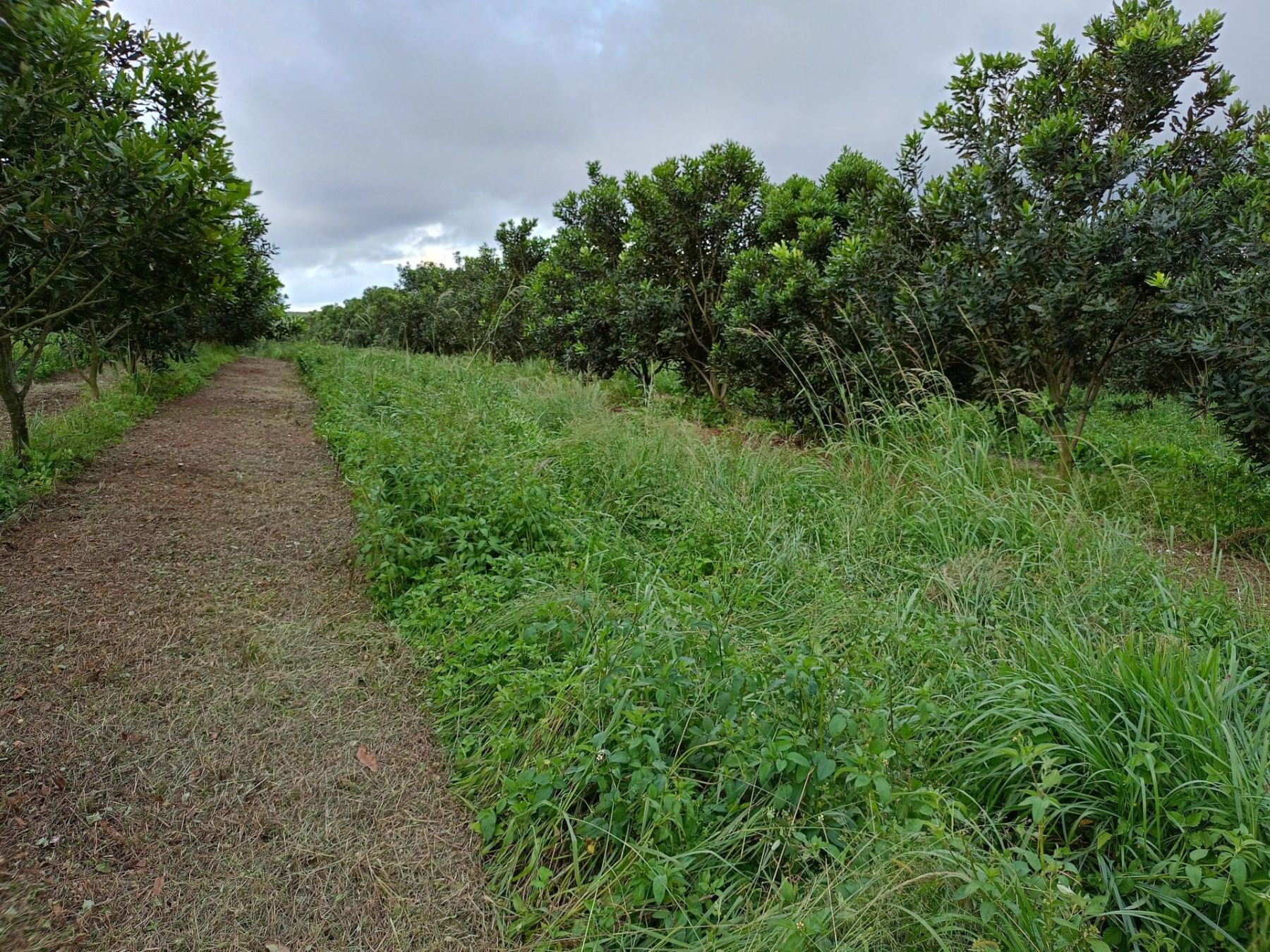
This practice means always having active plant roots in the soil, whether from cover crops or perennial plants. Even when the main crops aren’t growing, the soil is never left bare. Keeping a presence of living roots maintains a living ecosystem below the surface, which benefits the whole farm.
Why Are Living Roots Important?
Living roots play a key role in regenerative agriculture by:
- Feeding Soil Microbes: Plant roots release sugars, amino acids, and other compounds, which feed helpful soil microbes like bacteria and fungi. These microbes break down organic material and make nutrients available to plants, enhancing soil fertility.
- Improving Soil Structure: Roots bind soil particles, helping create stable soil. This reduces erosion and compaction, allows water to soak in better, and helps the soil handle floods and droughts.
- Preventing Soil Erosion: Bare soil can erode easily from wind and water. Living roots prevent topsoil loss, which is essential for long-term productivity, especially in areas with heavy rain or strong winds.
- Sequestering Carbon: Roots capture carbon dioxide from the air and store it in the soil. This helps reduce greenhouse gases and slow climate change.
- Supporting Nutrient Cycling: As plants grow and decompose, they add organic matter to the soil, which acts as a natural fertiliser. Living roots keep this process going year-round.
Benefits of Having Living Roots Year-Round
Here are the main benefits:
- Improved Soil Fertility: Nutrients are more available due to a diverse microbial community supported by the compounds roots release.
- Boosting Biodiversity: Different plant roots encourage a varied microbial community and support beneficial insects, which makes the ecosystem more resilient to pests and disease.
- Better Water Management: Roots create pathways that help water soak deeply into the soil, reducing waterlogging and improving drought resistance.
- Carbon Storage: Living roots help reduce the carbon footprint of farming by storing carbon in the soil.
Successful Practices for Maintaining Year-Round Living Roots
Here are some methods that have worked well for maintaining living roots year-round:
- Cover Cropping
- Diverse Mix of Crops: Planting cover crops like clover, vetch, rye, and radishes in the interrows keeps roots in the soil during winter and provides fodder for livestock.
- Benefits: Cover crops improve soil fertility, prevent erosion, add organic matter, and provide a habitat for pollinators and beneficial insects.
- Using Perennial Crops
- Perennials in the Field: Perennial plants like alfalfa or switchgrass keep roots in the soil year after year, rather than just one season.
- Benefits: Perennials need fewer inputs, help with carbon storage, and support soil organisms continuously.
- Relay Cropping
- Planting Overlapping Crops: Planting a second cover crop before the first is fully developed ensures roots are always in the soil.
- Benefits: Relay cropping keeps the soil covered, enhances biodiversity, and improves nutrient availability for the next crop cycle.
- Agroforestry
- Adding Trees and Shrubs: Mixing trees with crops or livestock keeps roots in the soil constantly, adds organic material, and increases biodiversity.
- Benefits: Trees have deep roots that break up compacted soil, improve water infiltration, and provide windbreaks, shade, and carbon storage.
Conclusion
Keeping living roots year-round is essential in regenerative agriculture for improving soil health, boosting biodiversity, and making ecosystems more resilient. By keeping the soil alive with roots all year, farmers can improve soil fertility, reduce erosion, increase biodiversity, and support natural nutrient cycling. This approach not only boosts farm productivity and sustainability but also helps fight climate change by storing carbon in the soil.
Maintaining living roots throughout the year is more than a farming method—it’s an investment in a sustainable future for agriculture.
Living Roots Year-Round: A Key Principle of Regenerative Agriculture
In regenerative agriculture, the concept of maintaining living roots in the soil year-round is a foundational practice that supports soil health, biodiversity, and sustainable farming. By keeping plants in the ground throughout the year, farmers harness natural processes to improve soil fertility and resilience.
Below, we explore the benefits and successful practices associated with living roots year-round, shedding light on why this technique is essential for regenerative agriculture.
What Does "Living Roots Year-Round" Mean?
Living roots year-round refers to the practice of ensuring that plants (cover crops or perennials) have active roots in the soil at all times. This means that even in seasons when the main crops aren't growing, the soil is never left bare. By keeping a constant presence of living roots, a living ecosystem is maintained below the surface, significantly benefiting the entire farm environment.
The Importance of Living Roots Year-Round
Living roots play a critical role in regenerative agriculture by:
Feeding Soil Microbes
-
Plant roots exude sugars, amino acids, and organic compounds into the soil, known as root exudates. These compounds feed beneficial soil microbes, such as bacteria and fungi, which help break down organic material and make nutrients available for plants. A thriving microbial community enhances soil fertility naturally.
Improving Soil Structure
-
The presence of roots helps create stable soil aggregates. These roots bind soil particles together, reducing the risk of erosion and compaction, and allowing for better water infiltration. This means less runoff, fewer floods, and improved drought resilience.
Reducing Soil Erosion
-
Bare soil is highly susceptible to erosion by wind and water. Keeping roots in the soil year-round prevents the loss of topsoil, which is crucial for long-term soil productivity. This is especially important in areas prone to heavy rainfall or wind.
Sequestering Carbon
-
Continuous root growth captures atmospheric carbon dioxide and stores it in the soil through carbon sequestration. This process is vital in mitigating climate change by reducing greenhouse gases.
Maintaining Nutrient Cycling
-
Living roots contribute to a dynamic nutrient-cycling system. As plants grow and decay, they contribute organic matter to the soil, which acts as a natural fertilizer. Keeping active roots in the soil ensures that these processes continue throughout the year.
Benefits of Living Roots Year-Round
Enhanced Soil Fertility
-
Nutrient availability is increased due to the diverse microbial life supported by continuous root exudates.
-
Living roots support nitrogen-fixing bacteria, especially when legumes are used as cover crops.
Biodiversity
-
A variety of plant roots contributes to a more diverse microbial community and supports beneficial insects.
-
This biodiversity makes the farm ecosystem more resilient to pests and diseases.
Water Management
-
Living roots help create channels for water to penetrate deeply into the soil, reducing waterlogging and improving drought tolerance.
-
Enhanced water retention helps maintain stable moisture levels during dry periods.
Carbon Sequestration
-
The process of carbon storage through living roots contributes to a reduction in the overall carbon footprint of agricultural activities.
Successful Practices for Maintaining Living Roots Year-Round
To implement year-round living roots effectively, several techniques can be employed. These practices have proven successful in different agricultural settings:
1. Cover Cropping
-
Diverse Cover Crops: Planting a mix of cover crops, such as clover, vetch, rye, and radishes, after the main crop is harvested helps maintain living roots during off-seasons.
-
Benefits: Cover crops enhance soil fertility, prevent erosion, and add organic matter. They also provide habitat for pollinators and beneficial insects.
2. Perennial Crops
-
Using Perennials: Incorporating perennial plants, like alfalfa or switchgrass, means that roots remain in the ground for years rather than just during one growing season.
-
Benefits: Perennials require fewer inputs, enhance carbon sequestration, and provide continuous habitat for soil organisms.
3. Relay Cropping
-
Relay Planting: In this practice, a second crop is planted before the first is harvested. This ensures that roots are always present in the soil.
-
Benefits: Relay cropping maintains soil coverage, enhances diversity, and improves nutrient availability for the upcoming crop cycle.
4. Agroforestry Systems
-
Trees and Shrubs in Fields: Agroforestry integrates trees with annual crops or livestock. Trees maintain a constant root presence in the soil, adding organic material and contributing to biodiversity.
-
Benefits: The root systems of trees are deep, helping break up compacted soil and improve water infiltration. They also provide shade, windbreaks, and contribute to carbon sequestration.
Conclusion
Living roots year-round is an essential practice in regenerative agriculture that contributes to soil health, biodiversity, and overall ecosystem resilience.
By keeping the soil alive with roots throughout the year, farmers can improve soil fertility, reduce erosion, increase biodiversity, and support natural nutrient cycling. This method not only helps farms become more productive and sustainable but also plays a role in combating climate change by sequestering carbon.
Maintaining year-round living roots is more than just a farming technique—it's an investment in a sustainable, regenerative future for agriculture.