Minimum Soil Disturbance
Minimising Soil Disturbance in Regenerative Agriculture: A Key to Healthier Farms
Regenerative agriculture aims to restore soil health, boost biodiversity, and create more resilient farming ecosystems. One essential practice in this approach is minimising soil disturbance. This article explains what it means to minimise soil disturbance, why it’s important for regenerative farming, the main benefits, and some practical methods farmers use to achieve it.
What Does Minimising Soil Disturbance Mean?
Minimising soil disturbance means reducing or avoiding practices that disrupt the soil’s natural structure, like intensive tilling or ploughing. These traditional practices break up soil and expose it to air, which can lead to soil degradation, loss of organic matter, and a decrease in beneficial soil organisms.
In regenerative agriculture, minimal soil disturbance involves skipping or reducing tilling and ploughing. Instead, farmers use methods that keep the soil structure intact. This allows the soil’s natural ecosystem to thrive, improving fertility, water retention, and crop resilience.
Why Minimising Soil Disturbance is Important
Healthy soils are the foundation of good farming. Minimising soil disturbance helps maintain and improve soil quality. Here’s why it’s crucial in regenerative agriculture:
- Protecting Soil Structure
- Soil contains structures called aggregates that help plants grow. By reducing tilling, these structures remain intact, which is important for root growth, nutrient uptake, and water infiltration.
- Supporting Soil Microorganisms
- Soil hosts billions of microorganisms that play a role in nutrient cycling and decomposing organic matter. Reducing disturbance lets these microorganisms thrive, enriching the soil over time.
- Preventing Erosion
- Disturbed soils are more likely to be eroded by wind and water. Minimising tillage keeps the soil surface intact, protecting it from being washed or blown away.
- Carbon Sequestration
- Healthy, undisturbed soils store carbon more effectively. When soil is disturbed, a lot of this carbon is released as carbon dioxide, a greenhouse gas.
Benefits of Minimising Soil Disturbance
- Improved Soil Health and Fertility
- Organic Matter Retention: Reduced disturbance helps keep organic matter in the soil, providing nutrients for plants and promoting healthier crops.
- Greater Microbial Diversity: Undisturbed soil supports a more diverse microbial population, which improves nutrient availability and disease resistance.
- Better Water Retention and Reduced Erosion
- Water Infiltration and Storage: Undisturbed soil is more porous, allowing water to soak in and be stored for plants during dry times.
- Erosion Control: Soil that is left intact is less likely to erode because plant roots and other biological networks help hold it together.
- Long-Term Sustainability and Cost Savings
- Reduced Need for Chemicals: Healthy soil reduces the need for synthetic fertilisers and pesticides.
- Energy and Labour Savings: Less tilling means lower fuel and machinery costs, which reduces the farm’s carbon footprint.
Practices for Minimising Soil Disturbance
- No-Till Farming
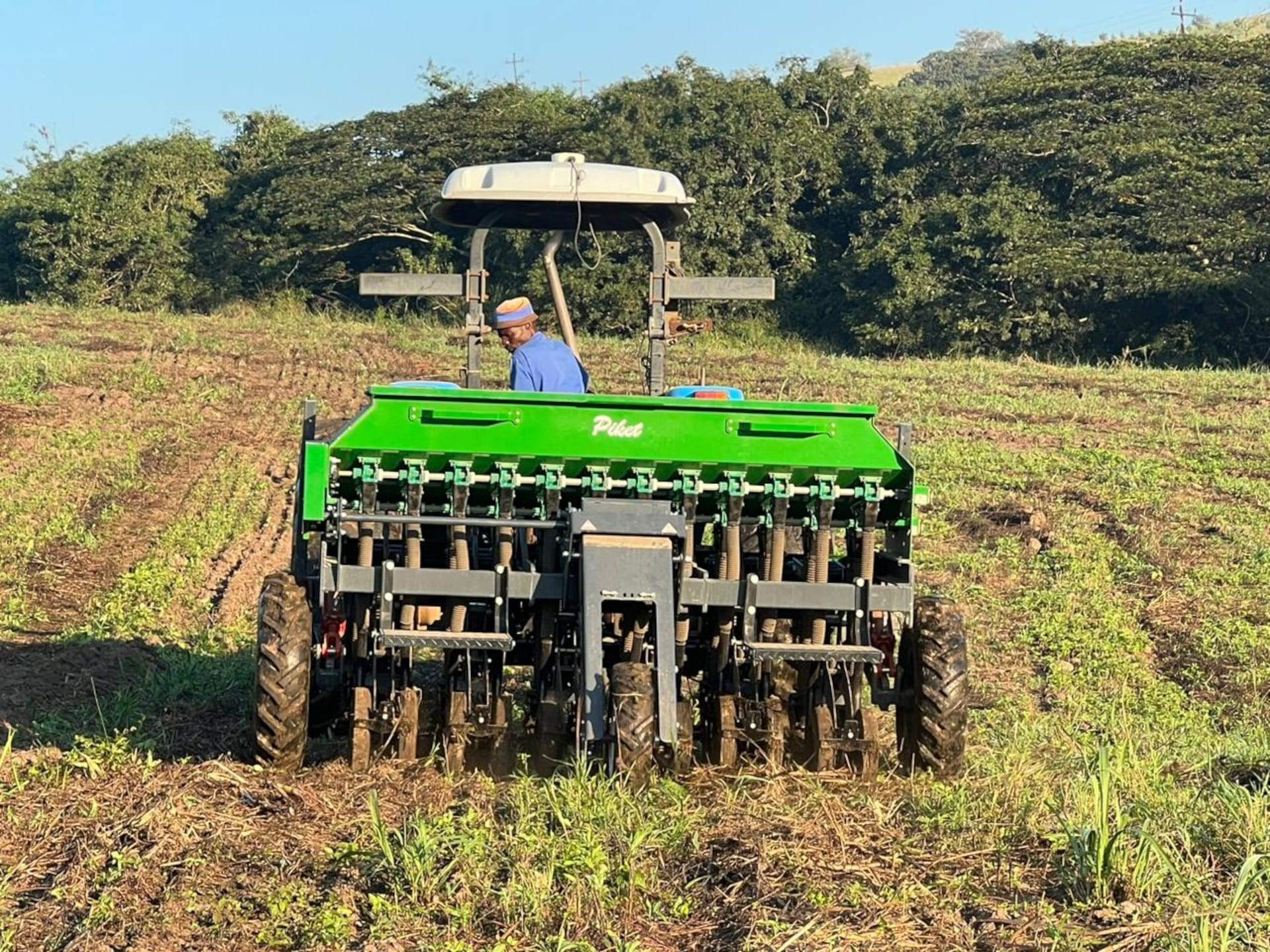
- No-till farming involves planting seeds directly into the soil without ploughing or tilling. Special planting equipment makes a narrow slit in the soil to insert seeds with minimal disruption.
- Strip-Till Farming
- Strip-till farming combines no-till and traditional tillage by only tilling narrow strips where seeds will be planted. This leaves most of the soil undisturbed, keeping soil structure and microbial life intact.
- Mulching and Cover Cropping
- Mulching: Adding organic materials like straw or leaves on top of the soil helps prevent erosion and keeps moisture in the soil.
- Cover Crops: Plants like clover or rye grown off-season cover the soil, preventing erosion and improving nutrient cycling.
- Controlled Traffic Farming (CTF)
- Controlled Traffic Farming reduces soil compaction by keeping machinery on set tracks. This leaves the rest of the soil untouched, which helps maintain soil structure and porosity.
Conclusion
Minimising soil disturbance is a key part of regenerative agriculture that helps protect soil health, supports beneficial microorganisms, and creates a more resilient farming environment.
Farmers can improve soil fertility, prevent erosion, conserve water, and even help combat climate change by focusing on no-till farming, cover cropping, mulching, and controlled traffic.
These techniques create sustainable, productive, and cost-effective farming systems that benefit both farmers and the environment.

Minimising Soil Disturbance in Regenerative Agriculture: A Key to Healthier Farms
Regenerative agriculture aims to restore soil health, boost biodiversity, and create more resilient farming ecosystems. One essential practice in this approach is minimising soil disturbance. This article explains what it means to minimise soil disturbance, why it’s important for regenerative farming, the main benefits, and some practical methods farmers use to achieve it.
What Does Minimising Soil Disturbance Mean?
Minimising soil disturbance means reducing or avoiding practices that disrupt the soil’s natural structure, like intensive tilling or ploughing. These traditional practices break up soil and expose it to air, which can lead to soil degradation, loss of organic matter, and a decrease in beneficial soil organisms.
In regenerative agriculture, minimal soil disturbance involves skipping or reducing tilling and ploughing. Instead, farmers use methods that keep the soil structure intact. This allows the soil’s natural ecosystem to thrive, improving fertility, water retention, and crop resilience.
Why Minimising Soil Disturbance is Important
Healthy soils are the foundation of good farming. Minimising soil disturbance helps maintain and improve soil quality. Here’s why it’s crucial in regenerative agriculture:
Protecting Soil Structure
Soil contains structures called aggregates that help plants grow. By reducing tilling, these structures remain intact, which is important for root growth, nutrient uptake, and water infiltration.
- Supporting Soil Microorganisms:
- Soil hosts billions of microorganisms that play a role in nutrient cycling and decomposing organic matter. Reducing disturbance lets these microorganisms thrive, enriching the soil over time.
- Preventing Erosion:
- Disturbed soils are more likely to be eroded by wind and water. Minimising tillage keeps the soil surface intact, protecting it from being washed or blown away.
- Carbon Sequestration:
- Healthy, undisturbed soils store carbon more effectively. When soil is disturbed, a lot of this carbon is released as carbon dioxide, a greenhouse gas.
Benefits of Minimising Soil Disturbance
- Improved Soil Health and Fertility:
- Organic Matter Retention: Reduced disturbance helps keep organic matter in the soil, providing nutrients for plants and promoting healthier crops.
- Greater Microbial Diversity: Undisturbed soil supports a more diverse microbial population, which improves nutrient availability and disease resistance.
- Better Water Retention and Reduced Erosion
- Water Infiltration and Storage: Undisturbed soil is more porous, allowing water to soak in and be stored for plants during dry times.
- Erosion Control: Soil that is left intact is less likely to erode because plant roots and other biological networks help hold it together.
- Long-Term Sustainability and Cost Savings
- Reduced Need for Chemicals: Healthy soil reduces the need for synthetic fertilisers and pesticides.
- Energy and Labour Savings: Less tilling means lower fuel and machinery costs, which reduces the farm’s carbon footprint.
Practices for Minimising Soil Disturbance
- No-Till Farming
- No-till farming involves planting seeds directly into the soil without ploughing or tilling. Special planting equipment makes a narrow slit in the soil to insert seeds with minimal disruption.
- Strip-Till Farming
- Strip-till farming combines no-till and traditional tillage by only tilling narrow strips where seeds will be planted. This leaves most of the soil undisturbed, keeping soil structure and microbial life intact.
- Mulching and Cover Cropping
- Mulching: Adding organic materials like straw or leaves on top of the soil helps prevent erosion and keeps moisture in the soil.
- Cover Crops: Plants like clover or rye grown off-season cover the soil, preventing erosion and improving nutrient cycling.
- Controlled Traffic Farming (CTF)
- Controlled Traffic Farming reduces soil compaction by keeping machinery on set tracks. This leaves the rest of the soil untouched, which helps maintain soil structure and porosity.
Conclusion
Minimising soil disturbance is a key part of regenerative agriculture that helps protect soil health, supports beneficial microorganisms, and creates a more resilient farming environment.
Farmers can improve soil fertility, prevent erosion, conserve water, and even help combat climate change by focusing on no-till farming, cover cropping, mulching, and controlled traffic.
These techniques create sustainable, productive, and cost-effective farming systems that benefit both farmers and the environment.